
Why Do I Feel Emotionally Behind Everyone Else My Age?
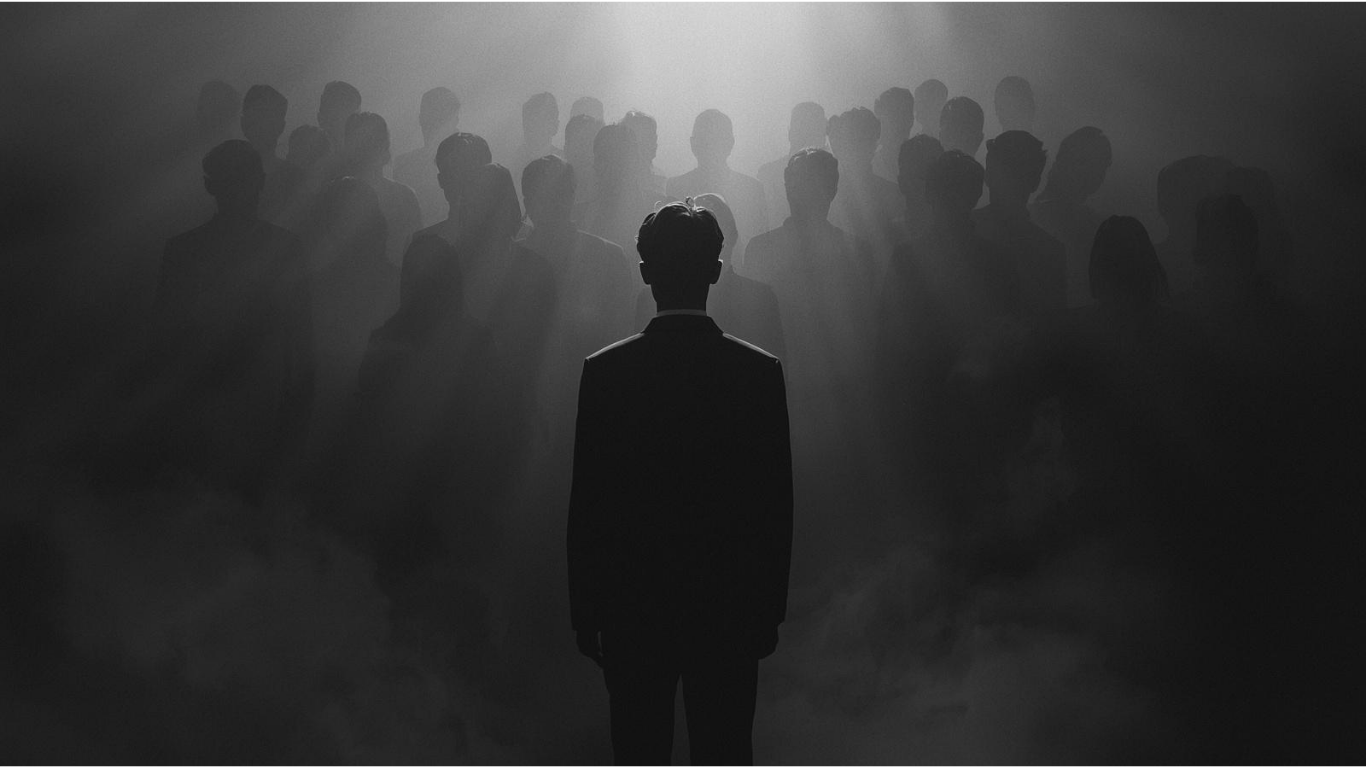
Understanding “Falling Behind,” Survival Mode, and Nonlinear Emotional Growth
A blog by Mindful Insights Psychotherapy – Psychotherapy and Counselling in Mississauga, Ontario
You look around and it feels like everyone else is… ahead.
More confident.
More settled.
More emotionally secure.
More certain about who they are and where they’re going.
And then there’s you.
Still figuring things out.
Still struggling with anxiety, relationships, boundaries, or self-doubt.
Still feeling like you’re catching up to something everyone else already understands.
You might find yourself thinking:
“Why am I so behind?”
“How do people my age have it together?”
“What’s wrong with me?”
AtMindful Insights Psychotherapy, a psychotherapy practice in Mississauga, Ontario, we hear this more often than people expect, especially from individuals seeking therapy for anxiety, trauma, relationship challenges, or low self-esteem.
And here’s something important to understand:
Feeling emotionally “behind” is often not about failure.
It’s about what your life required from you.
Let’s talk about that.
The Myth of Linear Emotional Development
There’s an unspoken timeline many people carry in their minds.
By a certain age, you’re supposed to:
have stable relationships
communicate clearly and confidently
feel secure in yourself
handle emotions “maturely”
know who you are
But emotional development doesn’t actually follow a universal timeline.
From a psychological and mental health perspective, development is shaped by:
environment
attachment experiences
stress exposure
emotional support (or lack of it)
life events and responsibilities
Two people can be the same age and have completely different emotional capacities, not because one is “better,” but because their nervous systems developed under different conditions.
Growth is not linear.
It’s contextual.
When Survival Took Priority Over Development
For many people, especially those seeking therapy or counselling later in life, early experiences were not focused on emotional exploration.
They were focused on survival.
That survival doesn’t always look dramatic.
It can include:
growing up in emotionally unpredictable environments
being the “strong one” in the family
taking on responsibility too early
navigating high expectations or pressure
experiencing emotional neglect or lack of validation
managing anxiety without support
When your energy is directed toward coping, adapting, or maintaining stability, something important happens:
Development pauses in certain areas.
Not permanently.
But temporarily.
Your nervous system prioritizes safety over growth.
And that’s not a flaw.
It’s an adaptive response.
Why You Might Feel “Behind” Now
As life becomes more stable or as you begin therapy for anxiety, trauma, or emotional stress, you may start noticing gaps.
You might feel:
unsure how to set boundaries
uncomfortable expressing emotions
confused in relationships
easily overwhelmed by conflict
behind in self-confidence or identity
This is often the moment people say:
“I feel like I’m just learning things everyone else already knows.”
But what’s actually happening is this:
You’re beginning development in areas that didn’t have space to grow earlier.
This is not regression.
It’s delayed growth catching up.
The Role of Comparison and Social Pressure
Feeling emotionally behind is often intensified by comparison.
Social media, peer groups, and cultural expectations can create the illusion that everyone else is progressing smoothly.
But what we often see is:
people showing the most stable parts of their lives
hiding their struggles, doubts, and insecurities
presenting a version of themselves that feels “together”
This creates a distorted reference point.
You compare your internal experience to someone else’s external presentation.
And the conclusion becomes:
“They’re ahead. I’m behind.”
In reality, emotional development is far more complex and often invisible.
Late Blooming Is More Common Than You Think
In psychotherapy, especially when working with adults navigating anxiety, trauma, or relationship challenges, we often see what could be described as late emotional blooming.
This is when someone begins to:
develop emotional awareness later in life
learn boundaries for the first time
explore identity outside of survival roles
process experiences they previously had to ignore
build self-trust gradually
This process can feel disorienting.
Because while others may have had earlier opportunities to develop these skills, you are building them now, often with more awareness and intention.
And that matters.
Why This Process Can Feel So Uncomfortable
When you begin developing emotionally after years of survival, it can feel like you’re starting from scratch.
You might notice:
self-doubt when making decisions
uncertainty in relationships
fear of doing things “wrong”
sensitivity to feedback or conflict
frustration with your pace of growth
From a trauma-informed perspective, this discomfort is expected.
You are learning skills your nervous system did not previously have the capacity to develop.
Learning anything new, especially emotional regulation and relational skills, takes time.
And it often feels awkward before it feels natural.
What Therapy Can Support (Without Overpromising)
At Mindful Insights Psychotherapy in Mississauga, we approach this experience with care, honesty, and ethical responsibility.
Psychotherapy does not:
fast-track emotional development
eliminate insecurity overnight
guarantee confidence or clarity immediately
compare your progress to others
What therapy can support is:
understanding why you feel behind
exploring how your environment shaped your development
building emotional regulation skills gradually
learning boundaries and communication at your pace
developing self-compassion instead of self-criticism
creating a sense of identity that feels authentic to you
This process is not about catching up to others.
It’s about building something that actually fits you.
A Different Way to Look at “Behind”
If you’ve been telling yourself:
“I’m behind.”
You might gently challenge that with:
“I developed differently because I had to survive differently.”
This shift matters.
Because it moves you from self-judgment to self-understanding.
And understanding creates space for growth.
A Final Reflection
If you feel emotionally behind others your age, it does not mean you are less capable, less mature, or less worthy.
It may mean your life required you to focus on survival before development.
And now, you are finally in a place where growth is possible.
At Mindful Insights Psychotherapy, we support individuals exploring therapy for anxiety, trauma, identity, and emotional development in a way that is paced, grounded, and realistic.
Not rushed.
Not compared.
Not forced.
Because healing is not about being on time.
It’s about being in the right place to begin.
And beginning, even now, is still meaningful.